




Arpepe
Chiavennasca, the Nebbiolo of the Alps.
Arpepe is a historic family estate devoted to Nebbiolo in the Valtellina for more than 150 years. The winery’s origins date back to 1860, when the Pelizzatti Perego family began documenting their viticultural work in handwritten records that are still preserved today. Through five generations, the family has remained committed to a singular mission: expressing the true character of Alpine Nebbiolo, locally known as Chiavennasca.
The estate experienced a decisive rebirth in 1984, when Arturo Pelizzatti Perego re-established the family project under the acronym Arpepe, determined to restore the reputation and full potential of Valtellina wines. His philosophy centred on patience, humility and what the family calls “the right waiting time” — allowing both vineyard and wine to evolve naturally without pressure from trends or market demands.
Since 2004, the fifth generation has led the estate, continuing Arturo’s vision with structured management and a long-term approach. Despite international recognition, Arpepe remains a family-run winery, guided by continuity, discipline and a profound respect for its Alpine heritage.


The Vineyards
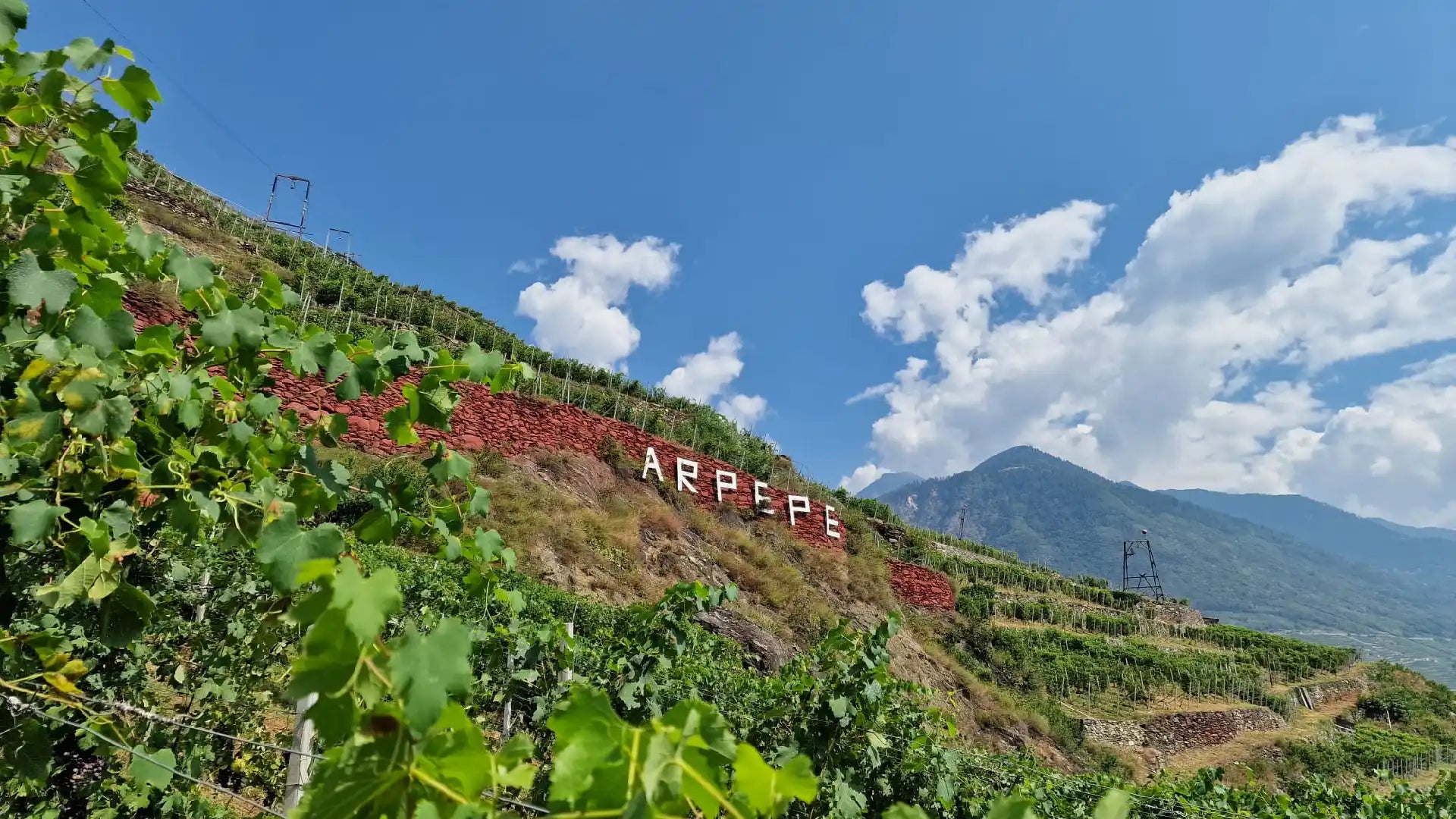
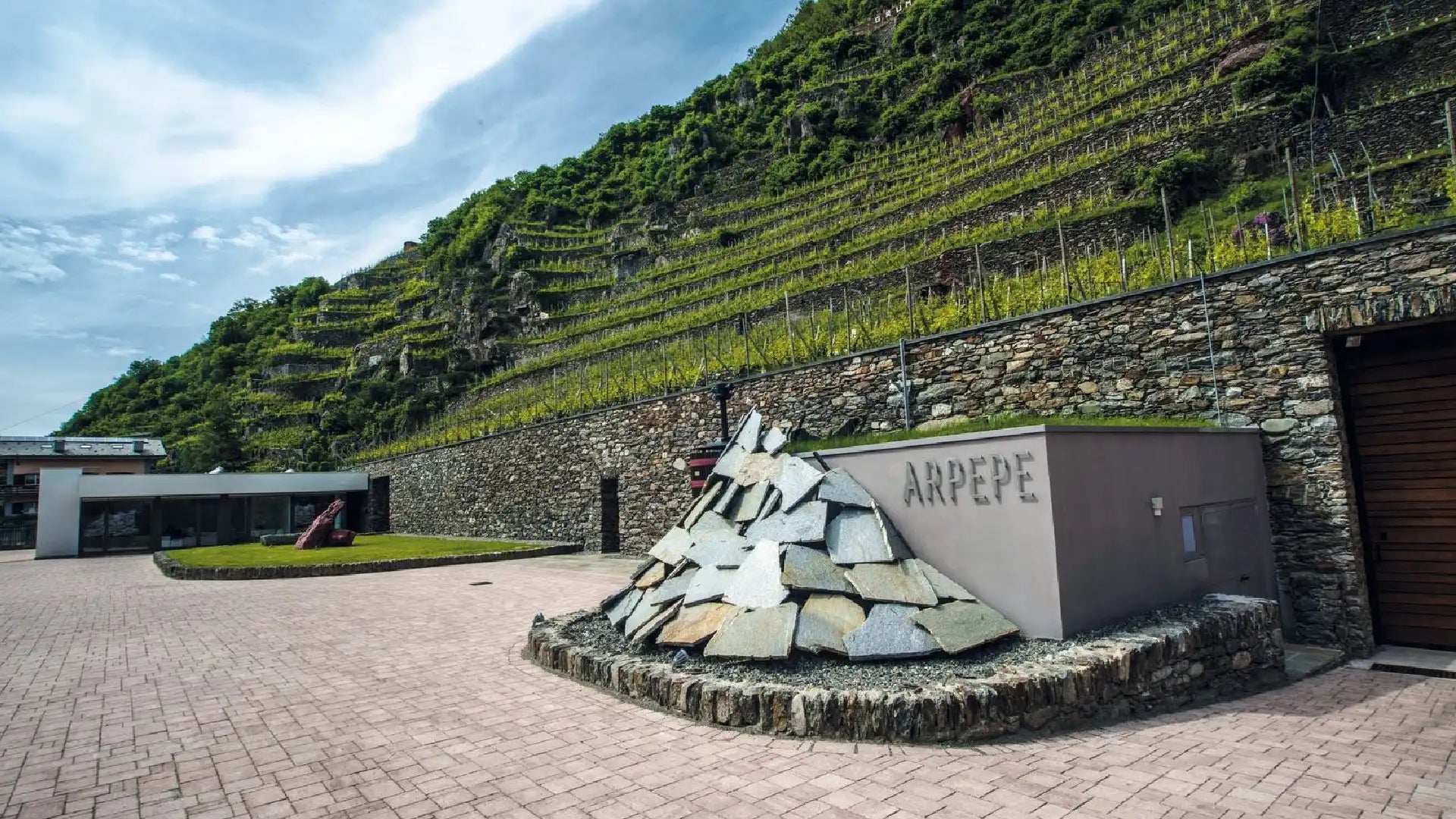
Arpepe cultivates 13 hectares of vineyards in the heart of the Valtellina Superiore DOCG, across the historic subzones of Sassella, Grumello and Inferno. The vineyards are planted on steep, south-facing terraces carved into the Rhaetian Alps, fully exposed to sunlight and protected by cool northern breezes.
The soils are poor, composed mainly of decomposed granite held in place by centuries-old dry-stone walls. This extreme environment, shaped by glacial activity and the Adda River, creates a unique Alpine microclimate that defines Nebbiolo from the Alps.
Viticulture here is entirely manual. The terraces make mechanisation impossible, and up to 1,500 hours per hectare may be required annually. Vineyard management follows integrated practices, balancing plant health with environmental responsibility. Treatments are applied only when necessary, and yields are accepted as they come — even if that means certain vintages never reach the market.
This is often described as “heroic viticulture,” not for marketing effect, but as a practical reality of farming in Valtellina.

Winemaking Philosophy
Arpepe’s production philosophy is based on patience and respect for Nebbiolo’s natural rhythm. Harvesting is manual, and vinification follows traditional Valtellina methods documented by the family since the 19th century.
Fermentation and ageing are carried out using a combination of large oak casks, concrete vats and stainless steel tanks, depending on the character of each vintage and vineyard. Ageing is intentionally slow and extended, allowing wines to evolve gradually and develop structural harmony. Bottling occurs only when the wine is considered ready, often later than standard market expectations, and always in accordance with lunar cycles. After bottling, wines continue to rest before release.
The objective is not stylistic uniformity, but the faithful expression of each vineyard and vintage. Arpepe wines are known for their transparency, tension, mineral precision and remarkable ageing potential, reflecting the austere beauty of the Valtellina terraces.
Arpepe Wines


